Our Materials
Synthetic Rubbers, Elastomers, Specialty Polymers & Rubber Chemicals
We supply a wide range of raw materials from leading global manufacturers to meet diverse industrial needs.
Materials categories
EVA
NBR
POE
SBR/SBS
TAFMER™
EPDM
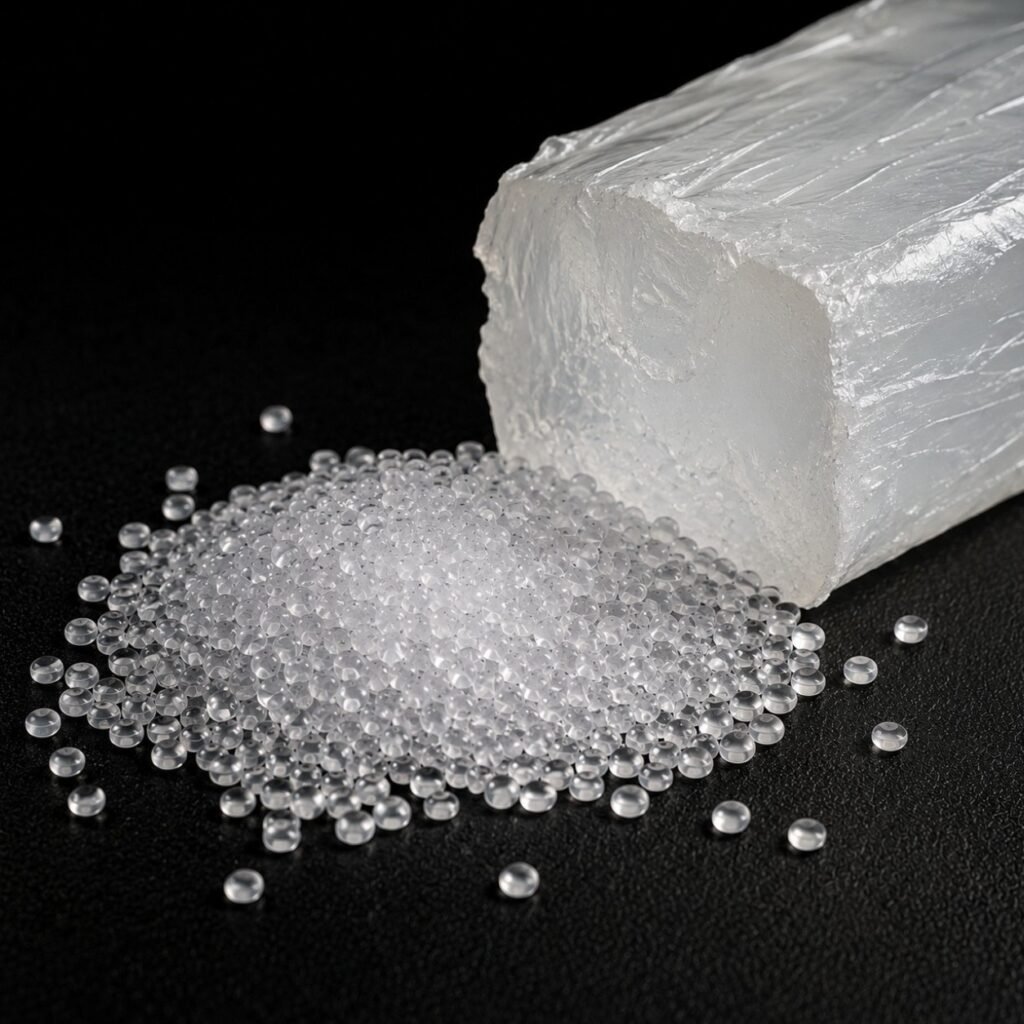
EVA (Ethylene Vinyl Acetate)
EVA (Ethylene Vinyl Acetate) is a kind of polyolefin resin produced from high-pressure polyethylene polymerization: it shows the most similar properties to that of rubber, excellent flexibility at room temperature and resilience, and is applied to a wide range of areas based on these properties.
Especially EVA shows an excellent mixing property and formability with foaming agents, cross-linking agents and other additives when it is applied to cross-linking foaming molding: in addition, since EVA forming agents form closed-cell structures, it is lighter and easier to apply coloration and secondary forming than rubber: it is widely used as a material for middle soles of shoes, and its applicable field as an encapsulate for PV modules is expanded with increased VA content (approximately 28~33%). Types of the commercially available EVA resin are various since its main material, EVA, shows various physical properties according to the melt index that is used as a relative index of VA content and weight average molecular weight.
NBR (Nitrile Butadiene Rubber)
Nitrile Butadiene Rubber (NBR) is a synthetic copolymer of acrylonitrile (ACN) and butadiene, widely recognized for its excellent resistance to oils, fuels, greases, and many chemicals. The proportion of acrylonitrile in the polymer determines its physical and chemical properties, with higher ACN content providing improved oil and chemical resistance, while lower ACN content enhances flexibility at low temperatures.
NBR exhibits excellent abrasion resistance, tensile strength, resilience, and durability, making it suitable for demanding industrial applications. It also offers good compression set resistance and mechanical stability, although its resistance to ozone, sunlight, and weathering is lower than that of some other elastomers. NBR can be compounded with various fillers, plasticizers, curing agents, and additives to achieve specific performance requirements and is readily processed through molding, extrusion, and calendaring techniques.
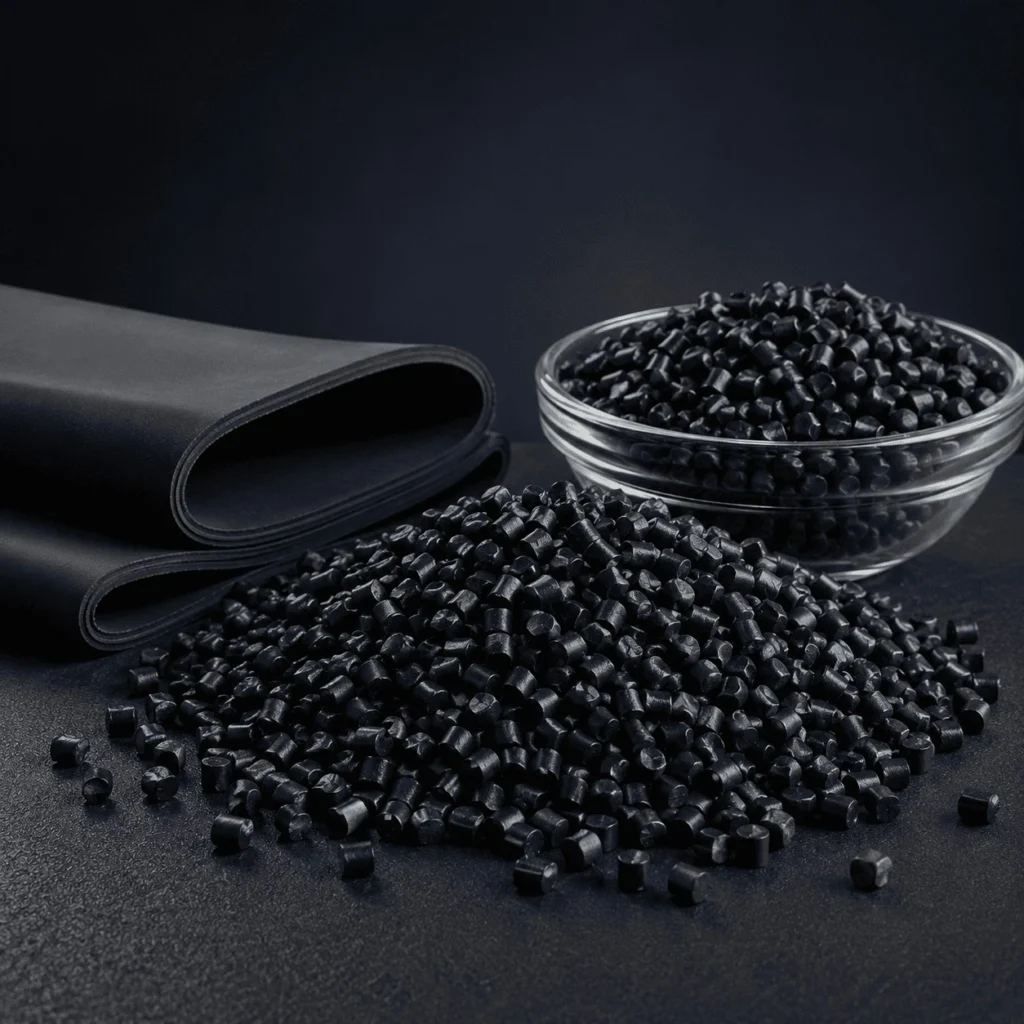
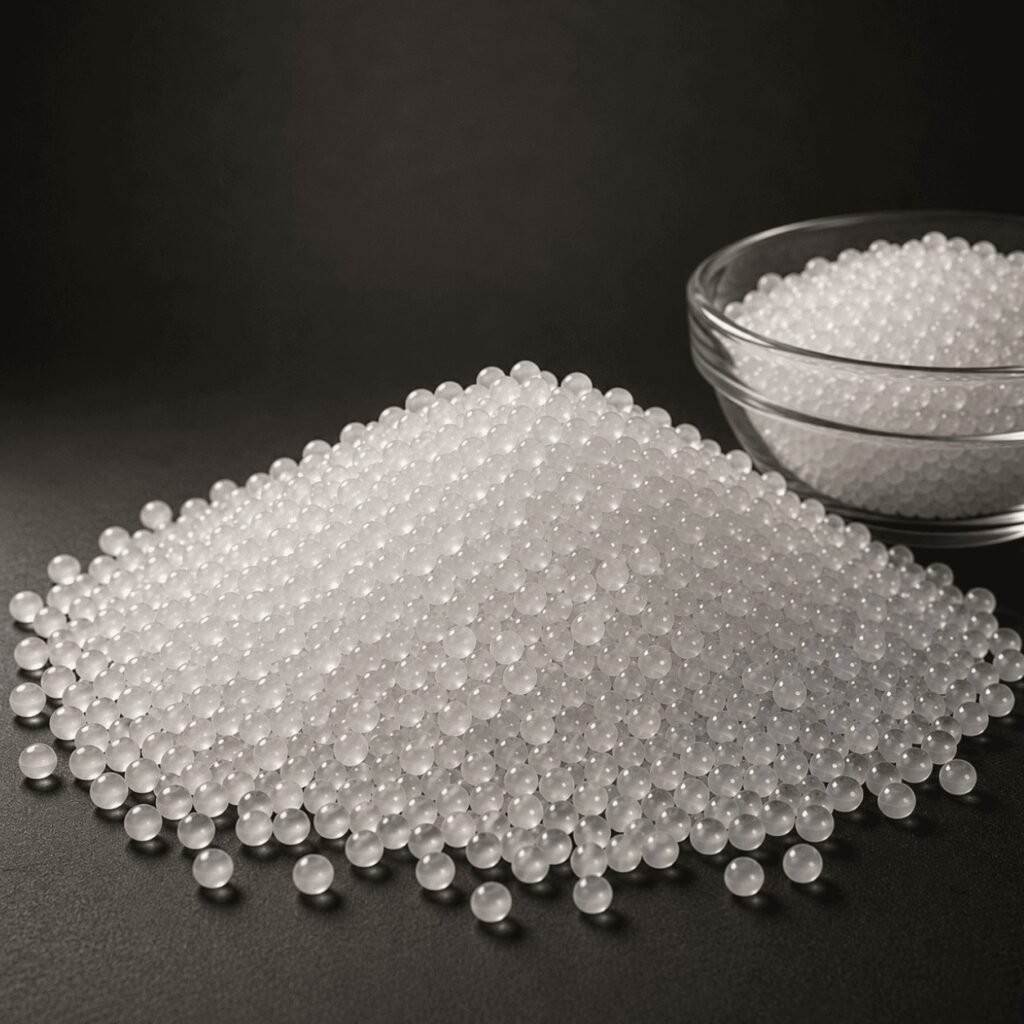
POE (Polyolefin Elastomers)
Polyolefin Elastomers (POE) are a family of thermoplastic elastomers produced through the copolymerization of ethylene with alpha-olefins such as octene or butene using advanced metallocene catalyst technology. POE combines the processing advantages of thermoplastics with the flexibility, elasticity, and impact resistance of rubber, making it an attractive material for a wide range of industrial applications.
POE exhibits excellent flexibility, low-temperature performance, high impact strength, and outstanding resistance to environmental stress cracking. It also provides good weatherability, electrical insulation, and compatibility with polyolefins such as polyethylene (PE) and polypropylene (PP). POE can be easily blended with other polymers, fillers, and additives to improve toughness, flexibility, and processability, and it is suitable for injection molding, extrusion, blow molding, and foam processing.
SBR/SBS (Styrene Butadiene Rubber/Styrene Butadiene Styrene)
Styrene Butadiene Rubber (SBR) and Styrene Butadiene Styrene (SBS) are widely used synthetic elastomers known for their excellent flexibility, abrasion resistance, and cost-effective performance. SBR is a random copolymer of styrene and butadiene that provides good wear resistance, resilience, and mechanical strength, while SBS is a thermoplastic elastomer with a styrene-butadiene-styrene block copolymer structure that combines the elasticity of rubber with the processing advantages of thermoplastics.
SBR exhibits excellent abrasion resistance, good tensile strength, impact resistance, and aging stability under normal service conditions, making it suitable for products subjected to repeated mechanical stress. SBS offers superior flexibility, elasticity, low-temperature performance, and ease of processing without requiring vulcanization.
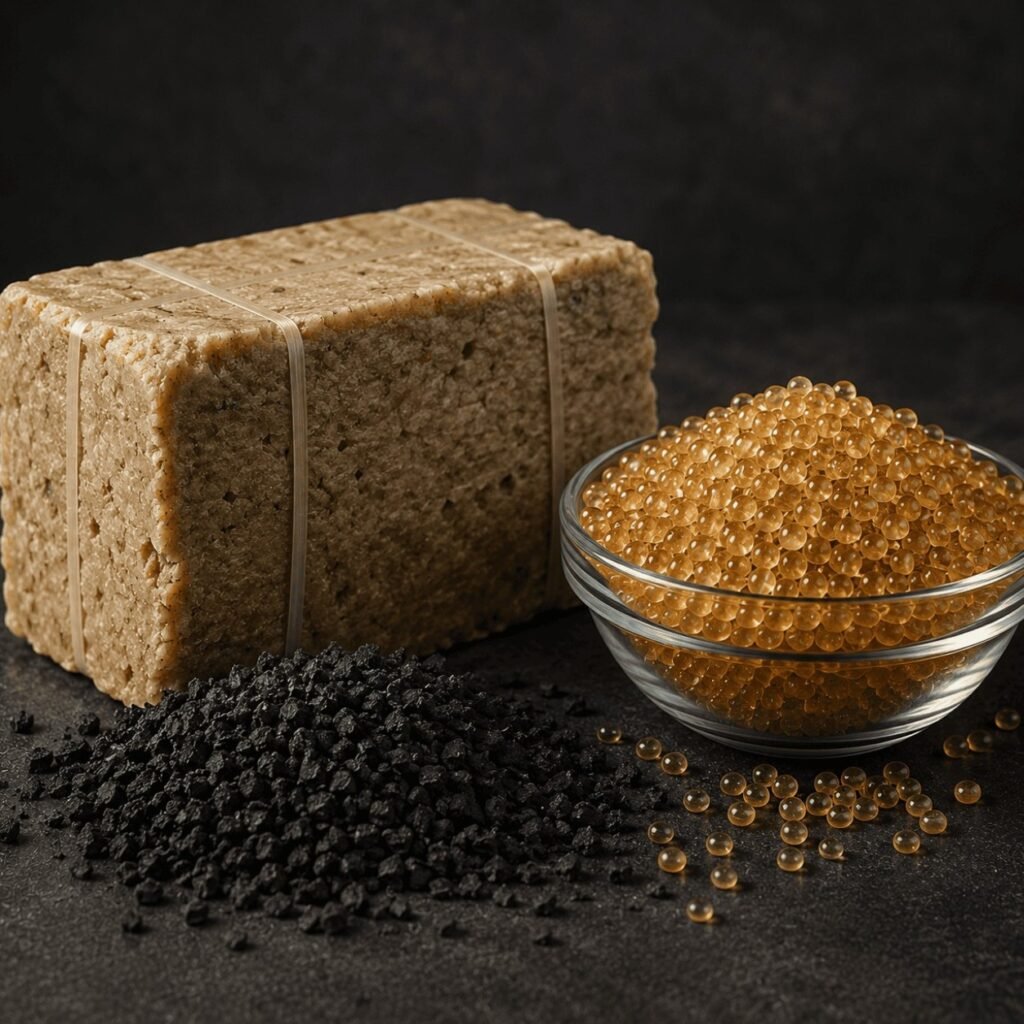
TAFMER™
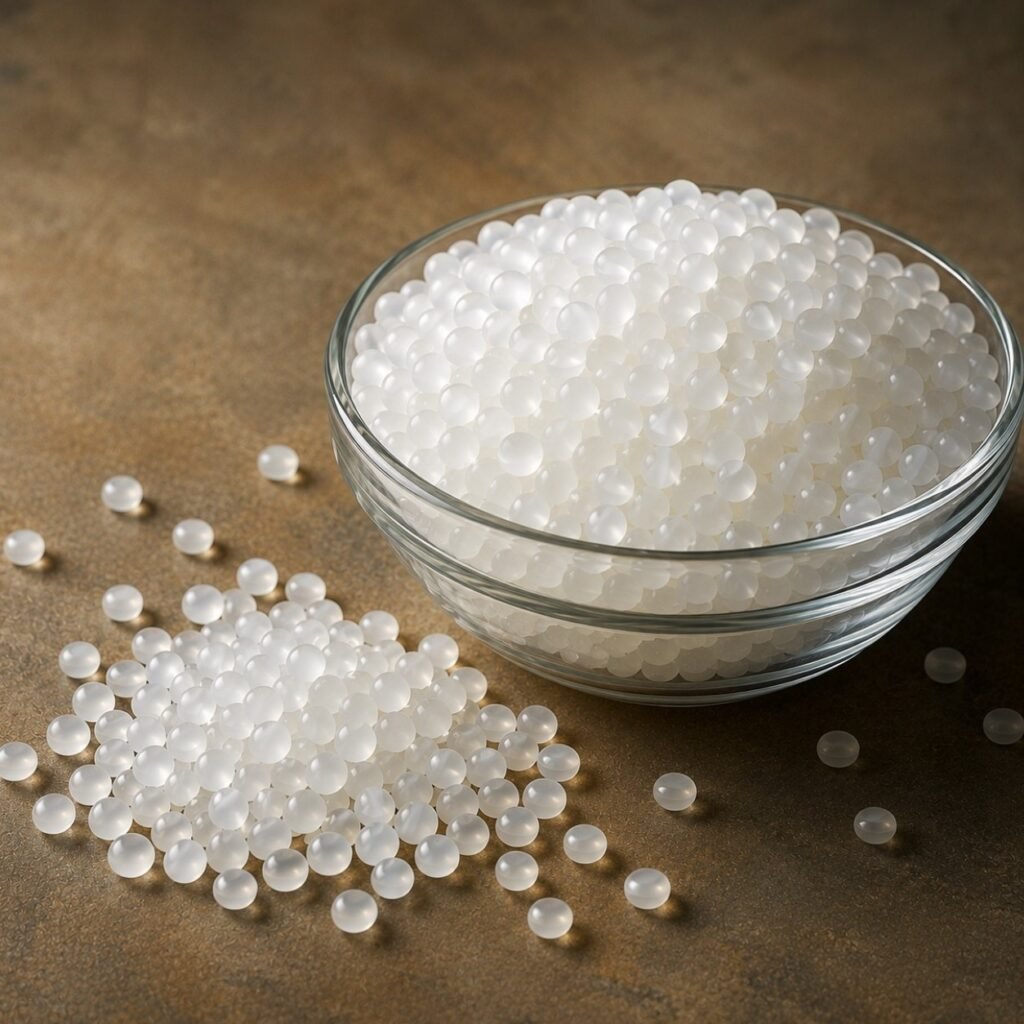
TAFMER™ are advanced polyolefin elastomers developed to provide an excellent balance of flexibility, toughness, and processability. These materials are based on ethylene-alpha-olefin copolymer technology and exhibit rubber-like elasticity while retaining the ease of processing associated with thermoplastics. They are widely used as impact modifiers, flexible polymer components, and performance-enhancing additives in a variety of industrial applications.
TAFMER™ offer excellent impact resistance, low-temperature flexibility, resilience, and environmental stress crack resistance. They also exhibit good weatherability, chemical resistance, electrical insulation, and compatibility with polyolefins such as polyethylene (PE) and polypropylene (PP).
Curatives
Curatives are chemical additives used in rubber and elastomer compounds to initiate and complete the curing (vulcanization) process, transforming uncured materials into durable, elastic products with improved mechanical and thermal properties. During curing, curatives promote the formation of cross-links between polymer chains, enhancing the strength, elasticity, dimensional stability, and chemical resistance of the material. The type and amount of curative used significantly influence the final performance characteristics of the elastomer.
Common curatives include sulfur, organic peroxides, phenolic resins, metal oxides (such as zinc oxide), and various curing accelerators and activators. Sulfur-based curing systems are widely used for unsaturated rubbers such as SBR and NBR, while peroxide curing systems are commonly employed for saturated polymers and high-temperature applications.
EPDM
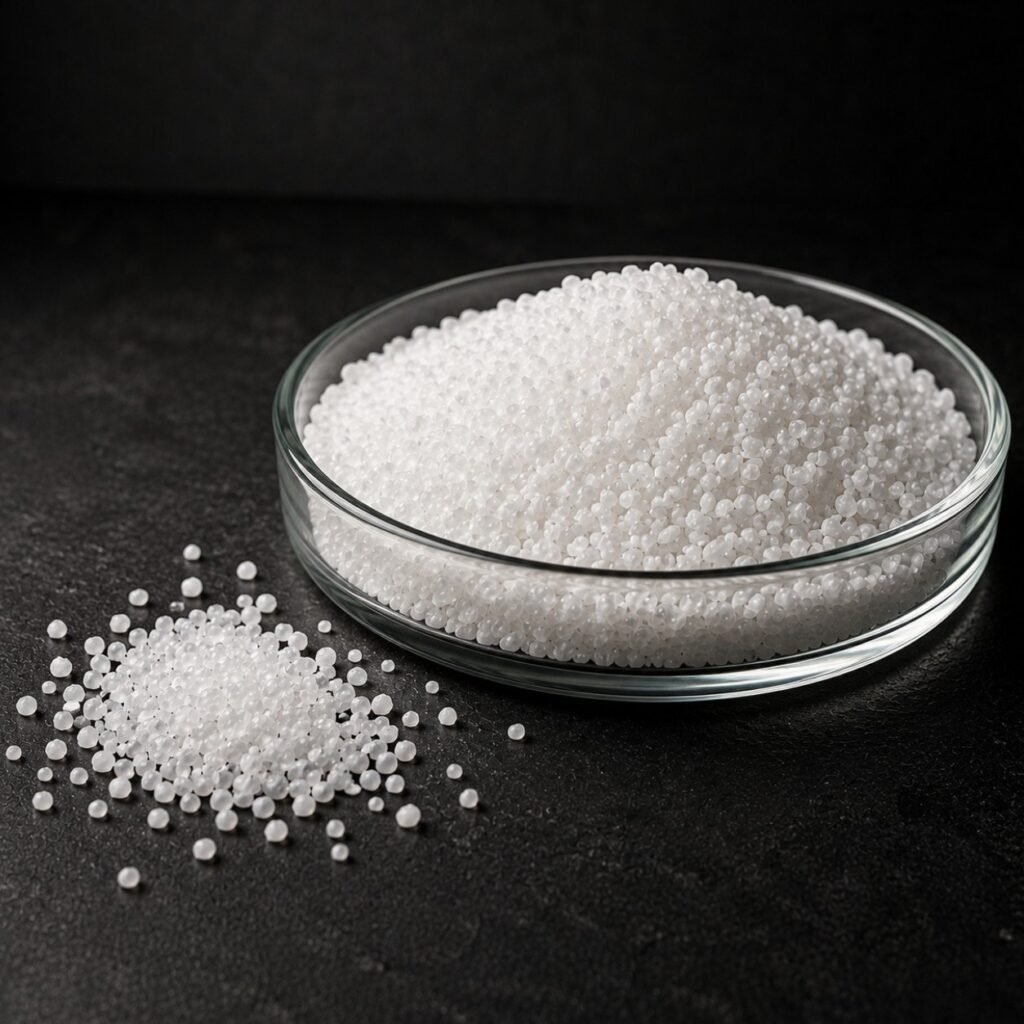
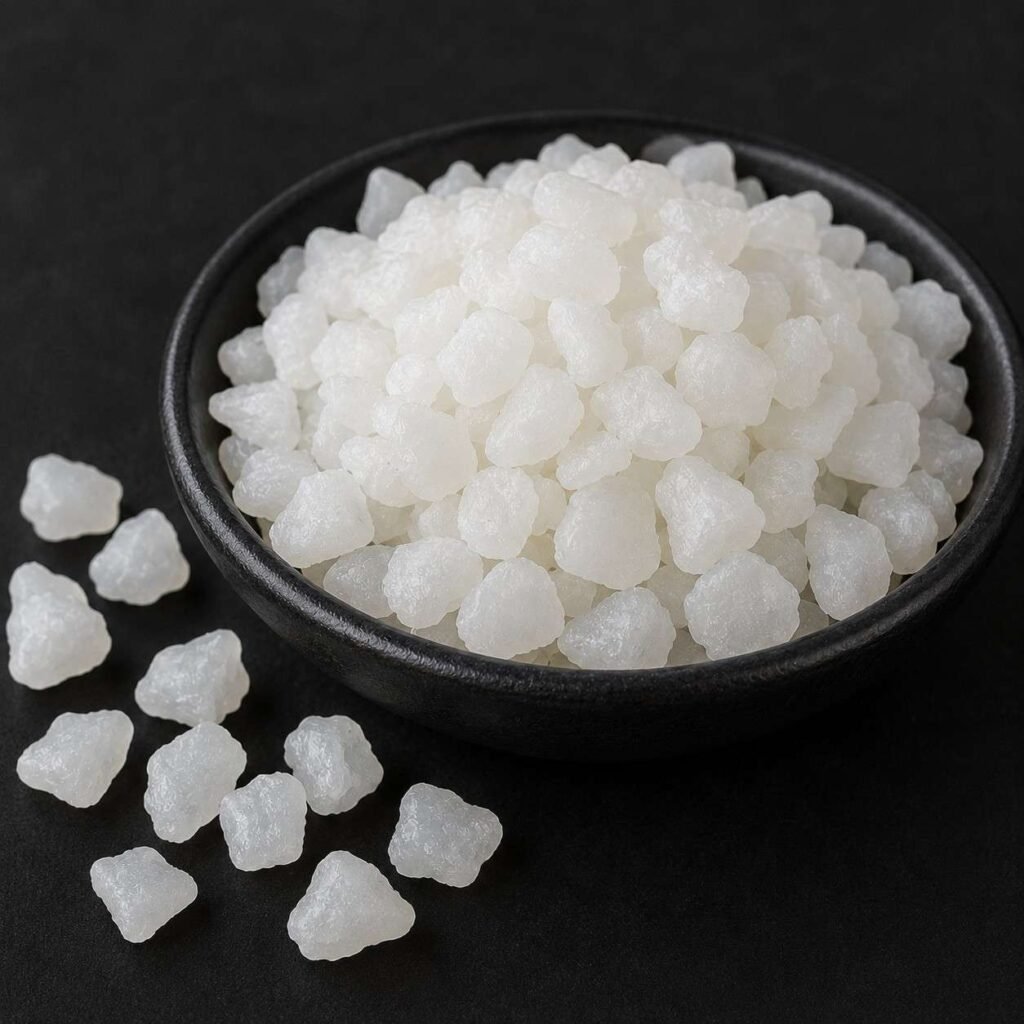
EPDM (Ethylene Propylene Diene Monomer) is a synthetic elastomer widely used for its excellent resistance to weathering, ozone, heat, and environmental aging. It is produced by the copolymerization of ethylene, propylene, and a small amount of a diene monomer, which enables cross-linking during vulcanization. EPDM combines excellent flexibility, durability, and resilience with good processability, making it suitable for a wide range of industrial applications.
EPDM exhibits excellent resistance to UV radiation, moisture, steam, and many chemicals, while providing good electrical insulation and low-temperature flexibility. However, it has poor resistance to petroleum-based oils and fuels. It is commonly used in automotive seals, hoses, roofing membranes, cable insulation, gaskets, and waterproofing systems.
Applications Across Industries
Automotive
Rubber Hoses
Cable Wires
O Rings
Packing
Footwear
Industrial
Gaskets
Looking for the right material for your application?
Our team is ready to help you with product selection, technical information and best quotations.